Rust does not just sit on metal, it eats into it. Leave it long enough and what starts as a small patch turns into flaking, weakness, and eventually failure. So when it comes time to remove it, the method you choose matters more than people think.
For years, sandblasting has been the go to. It is familiar, widely available, and it gets results. But laser rust removal has started to enter the conversation, and not quietly either. Some see it as a replacement, others see it as a specialist tool.
So which one actually comes out on top?
The Two Approaches Could Not Be More Different
If you strip it back, these methods solve the same problem in opposite ways.
Sandblasting is physical. It throws abrasive material at a surface until the rust is stripped away. You are essentially wearing down the outer layer.
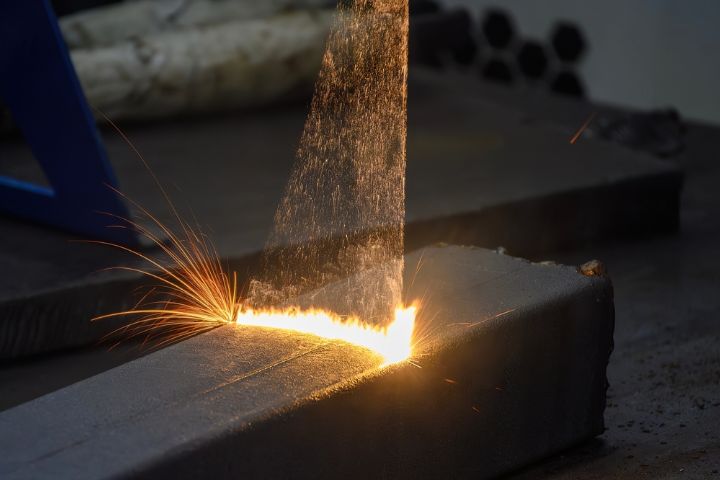
Laser cleaning is selective. It uses controlled light energy to target the rust itself, breaking it away without grinding into the metal.
It is a bit like the difference between sanding a table and carefully lifting off old varnish with heat. Both get you to bare wood, but one is far more controlled.
What Happens To The Metal Itself
This is where things start to separate.
With sandblasting, the surface underneath does not come out untouched. The abrasive impact roughens the metal. In some cases, that is actually useful, especially if you plan to apply a coating afterwards. It helps paint or sealant stick.
But there is always some level of material loss. You are not just removing rust, you are also removing part of the metal surface, even if it is minimal.
Laser rust removal behaves differently. It targets the rust layer and leaves the base metal largely intact. There is no grinding effect, no constant impact wearing it down.
For delicate components or thin materials, that difference can be significant.
Precision Versus Power
Sandblasting is built for speed and coverage. If you have a large steel structure covered in heavy rust, it can clear it quickly. It does not need to be subtle.
Laser cleaning, on the other hand, is all about control. The operator can focus on specific areas, adjust intensity, and work layer by layer.
That precision makes it ideal for detailed work, such as automotive restoration or cleaning machinery parts where tolerances matter.
But it also means it can be slower on large, heavily corroded surfaces.
The Mess Factor
Anyone who has seen sandblasting in action knows it is not exactly tidy.
There is dust, spent abrasive material, and debris everywhere. Containment and cleanup are part of the process. In some environments, especially indoors or near sensitive equipment, this becomes a serious consideration.
Laser cleaning is much cleaner. There is no blasting media involved. The removed rust turns into fine particles, which are usually captured with an extraction system.
Less mess often means less downtime and fewer complications on site.
Environmental Impact
This is where the gap between the two methods becomes clearer.
Sandblasting generates a lot of waste. The abrasive material itself, along with the removed rust and coatings, needs to be collected and disposed of properly. Depending on what was on the surface, this waste can be hazardous.
Laser cleaning produces far less waste. There are no chemicals involved and no abrasive materials to deal with. The process is more contained and easier to manage from an environmental point of view.
For companies trying to meet stricter environmental standards, this is a major advantage.
Cost Is Not As Simple As It Looks
At first glance, sandblasting often appears cheaper. The equipment is more common and the process is straightforward.
Laser cleaning systems are more advanced and come with a higher upfront cost. That can put people off.
But here is where it gets interesting.
When you factor in cleanup, waste disposal, potential surface damage, and rework, the gap can start to close. In some cases, laser cleaning ends up being more cost effective over time, especially for precision work or high value components.
So it is not just about the price of the job. It is about the total cost of getting it done properly.
Surface Preparation After Rust Removal
What happens after the rust is removed is just as important as the removal itself.
Sandblasting leaves a rough surface profile. This is often ideal for coatings, as it helps them bond more effectively.
Laser cleaning leaves a much cleaner, smoother surface. That can be beneficial in situations where you want to preserve the original finish or avoid unnecessary alteration.
In some cases, additional preparation might still be needed after laser cleaning, depending on the final use of the surface.
Safety Considerations
Both methods require proper safety measures, but the risks are different.
Sandblasting involves high speed particles, dust, and noise. Protective gear is essential, and there are health risks if dust is not properly controlled.
Laser cleaning involves powerful light energy. Operators need to be trained and use protective equipment to avoid exposure.
In general, laser cleaning tends to offer a more controlled working environment, especially when paired with extraction systems.
Where Each Method Works Best
This is where the answer becomes more practical.
Sandblasting is often the better choice for:
Large scale structures
Heavy corrosion across wide areas
Projects where speed is the priority
Situations where surface roughness is beneficial
Laser rust removal is often the better choice for:
Precision work and detailed components
Thin or delicate metal surfaces
Restoration projects where preservation matters
Indoor environments where cleanliness is important
Situations where environmental impact needs to be minimised
It is not about one replacing the other completely. It is about using the right tool for the job.
The Shift Towards Laser Cleaning In Ireland
There has been a noticeable change in recent years.
Industries are starting to look beyond traditional methods. Environmental regulations are tighter. Clients are more conscious of damage and long term durability.
Laser cleaning fits into that shift. It offers control, reduces waste, and works well in situations where older methods struggle.
That does not mean sandblasting is disappearing. It is still widely used and will continue to be. But laser cleaning is carving out its place, especially in specialised work.
So, Is Laser Rust Removal Better?
The honest answer is that it depends on what you need.
If you are dealing with large, heavily rusted structures and need fast results, sandblasting still has a strong case.
If you need precision, minimal damage, and a cleaner process, laser rust removal is often the better option.
In many ways, it is less about which method is better overall, and more about which method is better suited to the job in front of you.
And that is usually where the real decision is made.